

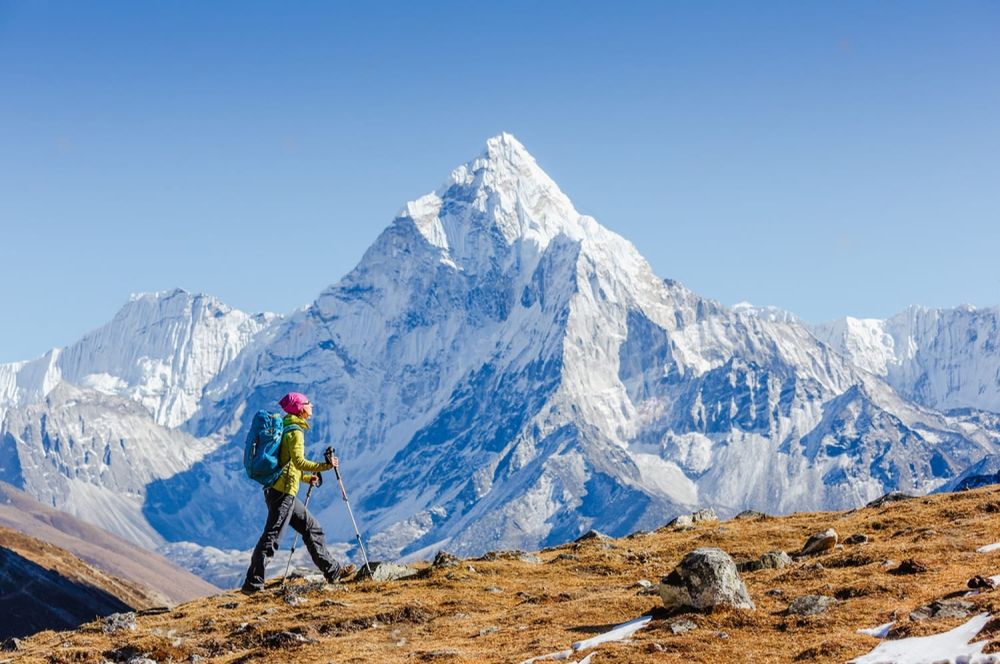
Everest Base Camp Trek is an epic adventure that takes trekkers through some of the most stunning landscapes on the planet and allows them to engage with the culture of the Sherpa communities. This complete guide to climbing to Everest Base Camp with a Sherpa will take you point to point on what to expect from preparation to the iconic base camp, 5,364 meters, 17,598 feet above sea level.
The hike starts in the busy town of Lukla, where you’ll enjoy a scenic flight from Kathmandu. From there, the path climbs gently through thriving Sherpa villages, lush forests, and alpine meadows, all while dwarfed by the peaks of Lhotse, Nuptse, and Ama Dablam. Having a Sherpa guide for trekking in Nepal is a must. Not only are the Sherpa expert navigators of the harsh landscape, but they are also knowledgeable about its culture, history, and spiritual significance. When it comes to navigation and handling the challenges of the high-altitude trek, it is their expertise whose net effect leads to your safety and well-being.
As you trek through villages such as Namche Bazaar, Tengboche and Dingboche, you’ll have chances to stop over and acclimatize to the altitude, which is necessary to avoid altitude sickness. Such stops also offer opportunities to enjoy the warm hospitality of the Sherpa people along with visits to ancient monasteries, enhancing your connection to the region’s culture and traditions.
Climbing to Everest Base Camp is like none other, it is not just the physical test, it is the emotional test to get there too. Simply getting to the base camp is an incredible achievement, and you get to see the Khumbu Icefall and Mount Everest up close. But with a Sherpa in tow, this adventure offers a fusion of adventure, culture, and stunning Himalayan landscapes that guarantees a trekking experience of a lifetime.
Everest Base Camp Trek Introduction
Everest Base Camp trek is one of the most famous trek adventures in the entire world. Located in the Himalayas, this trek allows hikers to go to the base of Mount Everest, the tallest mountain on the planet. The hike is about 130 kilometers (80 miles) round trip and usually takes about 12 to 14 days to finish, based on physical condition and how badly acclimatization is needed.
The trip starts in the busy city of Kathmandu before moving on to Lukla, where trekkers fly, into the Solu-Khumbu region to start their hike. From this point, the trail weaves through a string of beautiful Sherpa villages, thick forests, flower-covered alpine meadows, and rugged terrain, showcasing breathtaking views of Mount Everest, Lhotse, and Nuptse, among other famous mountains. The journey is an exciting combination of breathtaking difficulty and jaw-dropping beauty: trekkers get to enjoy nature at its finest while also connecting with the local culture of the Sherpa people.
Standing at 5,364 meters (17,598 feet), Everest Base Camp represents itself as a landmark and the first milestone for mountaineers attempting to reach the summit of Mount Everest. While getting to Base Camp doesn’t involve technical climbing per se, the altitude and rough terrain present challenges that make the trek physically and mentally grueling. Many people think of the Everest Base Camp trek as a once-in-a-lifetime adventure — with stunning scenery and cultural experiences.
Why Trek with a Sherpa?
3 reasons why except for the two who are trekking with a Sherpa are the key to Everest Base Camp Trek. Sherpas — the indigenous people of the Solu-Khumbu region — are experts on the trails of high-altitude trekking and mountaineering. Their expertise regarding the region’s geography, climate, and altitude dangers makes them ideal leaders for trekkers.
Everest Base Camp trek fitness level The main reason to trek with a Sherpa is safety. Sherpas are trained to recognize signs of altitude sickness and understand the best ways to acclimatize. They are trained to operate in high-altitude environments, so they can act as guides for trekkers as they cross challenging ground, helping avoid dangers such as rockslides, crevasses, or avalanches closer to their otherworldly height. Sherpas lug this gear, and more, so that trekkers are ready for the journey.
In addition to their practical assistance, Sherpas are also cultural guides. They offer an insight into the customs, traditions, and spirituality of the Sherpa people. Sherpas help facilitate interaction as trekkers pass through remote villages, providing deeper insights into the local way of life. Their kindness and outreach bring a collective nature to the hike itself.
Sherpas can also assist with the logistical process of trekking, from organizing accommodation to coordinating meals and permits. Their invaluable support enables trekkers to concentrate on the trek itself, confident they have a reliable companion each step of the way. As you can see, trekking with a sherpa enhances your adventure in the Himalayas tremendously, making it safer, more enriching, exciting, and fulfilling.
Gear & Equipment Essentials for the Trek
The Everest Base Camp trek is an incredible adventure, and to make it a safe, comfortable, and successful experience you need to take the right gear with you. Due to the high-altitude environment, weather can change quickly, so trekkers must be well-prepared for a variety of weather conditions, steep ascents, and long days of hiking. Here’s a rundown of key gear and equipment:
Clothing: Layering is key. Low-bulk, moisture-wicking base layers, a warm fleece or down jacket, and a waterproof outer layer are all essential for staying comfortable when temperatures fluctuate. Layering with a warm insulated jacket is a must on cold days, while lightweight trekking pants, gloves, and a hat are necessary for warmth.
Shoes: Sturdy, waterproof hiking boots with ankle support are required for hiking over rough and uneven terrain. Gaiters also help keep bits of snow and dirt from getting inside your boots.
Sleeping Bag and Sleeping Pad: A quality, cold weather sleeping bag rated down to at least -10°C (14°F). A sleeping pad provides insulation from the cold earth.
Backpack: A medium-sized hiking backpack (30-40 liters) is perfect for holding water, snacks, and extra clothes. We’d also need a bigger duffel bag (one around 40-60 liters) for the main luggage, this would be carried by porters or yaks.
Hydration and Nutrition: One of the most popularly useable devices is a water bottle with a filtration system or purification tablets to ensure access to clean drinking water. Snacks that are high-energy — nuts, granola bars, and dried fruits God Quilande gives little energy to keep the body going during the trek.
Trekkers undertaking the Everest Base Camp trek can be more at ease with the right gear to confront the difficulties that this trek presents, making it a memorable and enjoyable experience.
How To Prepare Physically and Mentally For The Trip
Everest Base Camp trek from Lukla Physical fitness and psychological strength are vital for preparing for the Everest Base Camp trek. Not for the faint of heart, the strenuous hike consists of days of high altitude trekking and requires a reasonable amount of fitness. So physically, you want to build endurance, strength and cardio fitness.
Physical Preparation: Continuous cardio is crucial whether you hike, run, or bike; you will need to build up your endurance for the long, uphill climbs. To simulate the trekking experience and strengthen the muscles used in the process, hike with a weighted pack. Strengthening the legs to deal with the steep uphill and downhill action needed on the trek is also part of the training with exercises such as lunges, squats, and step-ups. Agility, including flexibility and balance exercises like yoga or stretching routines, will also help here on rocky and uneven ground.
Mind over Matter: The trek tests you mentally and psychologically, so it is just as critical to be mentally fit as it is to be physically fit The altitude can sometimes lead to fatigue, frustration, and self-doubt while trekking. This means everything from positive visualization to goal-setting to walking into an extreme situation knowing it will be hard, but this may be part of the challenge. Mindfulness, meditation, or visualization techniques can help you manage stress and stay focused during those challenging moments on the trail.
With both physical and mental preparation included in the months leading up to the trek, trekkers will be more comfortably able to handle the Everest Base Camp trek, thus ensuring the experience is both enjoyable and goal-oriented.
The trekking path: Main features and stages
Each section of the Everest Base Camp trek has its own highlights and challenges. Departing from Lukla, hikers will trek a well-travelled path passing through Sherpa towns, monasteries and dense forests with breathtaking views of the surrounding peaks.
Stage 1 – Lukla to Phakding: A short flight takes you to Lukla, from where the trek is an easy walk to Phakding. Trek itinerary: This day is a bit of a gentle start to what is relatively a trek and acclimatization to the altitude and terrain.
Everest Base Camp trek with guide Stage 2 – Phakding to Namche Bazaar: One of the tougher segments that have a serious vertical gain up to the hub of the entire area of Namche Bazaar. The village, situated in a hollow, provides magnificent views of Everest, Lhotse, and the other local mountains. Namche is a very good place to acclimatize and rest.
Stage 3 – Namche Bazaar to Tengboche: The trail now persists along the same in the past through rhododendron woodlands towards the city of Tengboche. Here, trekkers can stop at the famed Tengboche Monastery, where Buddhist monks hold ceremonies. Expansive views of Everest and Ama Dablam are spectacular.
Stage 4 – Tengboche to Dingboche: This leg takes trekkers above the tree line, where they will enjoy expansive views of the surrounding snow-capped peaks. Dingboche is another quiet village where we can acclimatize to the altitude.
Stage 5 – Dingboche to Lobuche: The trek continues to get more difficult as trekkers climb toward Lobuche. The higher altitude translates into higher physical requirements and acclimatization is the key here.
Day 6 – Lobuche to Gorak Shep and Everest Base Camp: The last leg to Everest Base Camp takes hikers through rocky foothills and past dramatic views of the Khumbu icefall and peaks. Achieving the Base Camp is an epic experience, one that will leave you with memories at the feet of Mount Everest.
Staying Healthy at High Altitude – Acclimatization
A significant aspect of the Everest Base Camp trek is acclimatization, as the trek reaches heights of above 5,000 meters (16,404 feet). At these elevations the oxygen level is low and without proper acclimatization protocols, altitude sickness ensues.
Everest Base Camp trek cost 2025 Rest days at some altitudes help acclimatization well so that trekkers gradually increase elevation. For instance, after arriving in Namche Bazaar, it’s vital to take an additional day to rest and hike the surrounding hills to help the body acclimatize to decreased oxygen levels. This process encourages the body to create greater numbers of red blood cells, which enhances the intake of oxygen.
It’s important to stay hydrated by drinking plenty of water and electrolyte-rich fluid while trekking to avoid dehydration, which can worsen altitude sickness symptoms. Staying away from alcohol and smoking is also recommended, as they can inhibit breathing and slow acclimatization.
Trekkers should also watch for symptoms of altitude sickness, such as headaches, nausea, dizziness and shortness of breath. If symptoms worsen, it’s crucial to go down to a lower elevation immediately.
The energy needs to be sustained, requiring a balanced diet either in carbohydrates or proteins. Because of this, we always make sure that trekkers have enough meals and snacks at regular intervals, contributing to their vigor throughout the trek. Following proper acclimatization practices, staying well-hydrated, and listening to the body can help ensure a safe and healthy trek to Everest Base Camp!
A Sherpa’s Role: What To Expect
Sherpas are much more than just guides, or even porters on the Everest Base Camp Trek, they are the backbone of the entire trek. Renowned for their unparalleled endurance in the high-altitude environment, Sherpas also understand the terrain intimately, which allows for both the safety and efficiency of sexual wellness products during the trek. They also guide trekkers through the most treacherous sections and give them tips on how to handle the harder parts of the hike while also helping trekkers acclimatize to combat altitude sickness. Sherpas also offer insights into their rich culture and spirituality, allowing trekkers to appreciate the significance of the journey and the land they tread on. Their responsibilities aren’t just physical; they are also the resource for any questions about the route, local customs, and the mountain’s revered status among the Sherpa community. A Sherpa’s robust ties with the area also mean they offer much-needed emotional support and encouragement at a time when trekkers have little more than their bodies left to give in the face of extreme fatigue or demanding weather. Himalayan porters help carry gear and handle logistics, all of which can mean the difference between a successful trek and disaster, freeing trekkers to enjoy the experience and beauty of the Himalayas. In summary, traveling with a Sherpa provides not just safety and guidance but also a deeper, more personal connection to the region’s culture and the spiritual significance of the Himalayas.
Safety Procedures and Emergency Information
Understanding some essential safety tips and information on emergency procedures is important to ensure safe travels on your Everest Base Camp Trek. Most importantly, without proper acclimatization trekking at higher altitudes can lead to altitude sickness which is a challenge many trekkers tend to face during their high-altitude treks. Go slow and take frequent rest days to let your body acclimatize to the thinning air. To keep strength, it’s essential to stay hydrated and eat a lot of high-energy food to cover the distance of the trek. Always listen to your body — if you start to feel symptoms of altitude sickness like dizziness, nausea, and headaches, it’s important to let your guide know and descend straight away. When you’re trekking with a Sherpa, you’re in safe hands — they are trained in first aid and know how to handle medical emergencies — but you should still take a basic first aid kit with you, containing items such as bandages, painkillers, and blister treatment. Also, communication is your best friend, so it is wise to bring a satellite phone or emergency communications device for any dire situation. Also, learn emergency evacuation procedures. In some extreme cases where a trekker cannot proceed because of an intense case of altitude sickness or injury, a helicopter evacuation will be needed. Your Sherpa will coordinate with local authorities for first responders who will be able to get there as quickly as possible. In this way leaders and guidance through rules allow you to experience the trip to Everest Base Camp with validity until your stop.
Exploring the Traditions and Culture of the Himalayas
Everest Base Camp trek route map The world of this region is deeply seeded with customs and traditions that are as diverse as the landscape. The area is inhabited by an indigenous community known as the Sherpas, whose deep-rooted mountainside customs remained commingled with age-old Buddhist spirituality and reverence for the natural world. The most significant customs include respect for Mount Everest and other local peaks, treated as sacred gods in the local Sherpa and Tibetan Buddhist traditions. During the hike to Everest Base Camp, you’ll meet colorful prayer flags, chortens (Buddhist shrines), and monasteries, all endowed with spiritual significance. The Sherpas practice Tibetan Buddhism as well, and many trekkers participate in some of the spiritual aspects of the religion by visiting these monasteries or making offerings. Sherpa festivities like Lhosar (the Sherpa New Year) offer insight into the region’s vibrant customs. These traditions are good to understand and respect because more than the walk on land, you are also experiencing the people who inhabit it. During the trek, your Sherpa guide will often share stories and insights into their customs, so you’ll get a cultural experience as well. And the hospitality of the Sherpa people is legendary — warm and welcoming and always happy to share their traditions with visitors. As travelers so easily learn about the culture of the Himalayas, they can add even more depth to their experience by transforming a trek into a cultural discovery journey instead of a simple physical endurance test.
Weather in Annapurna Region in Autumn/Spring Seasons: Best and Worst Trekking Seasons.
The weather conditions matter a lot when it comes to the success of the Everest Base Camp Trek. The Himalayas have an extremely variable climate, owing to large differences in both altitude and weather systems, and temperatures can vary widely with altitude. The ideal period to start the trek is during the pre-monsoon (spring) season, from late March to May, and the post-monsoon (autumn) season, from late September to November. Weather during these months is mostly clear and stable, giving trekkers the best chance to see the towering peaks, including Mount Everest, with the least chance of rain or snow. At lower elevations, daytime temperatures can be mild but drop significantly as you gain altitude, often below freezing at night. Be ready for anything from warm weather sunny days to cold windy nights. In the summer monsoon season (June to August), torrential downpours can make the dust and dirt of the trail slick and increase the likelihood of a landslide, while winter (December to February) showcases the freezing temperatures and snow that can make the trek more difficult for novice trekkers. Moreover, weather patterns in the mountains are unpredictable, so trekkers should account for sudden storms or cloud cover obstructing views. Managing a flexible itinerary and equipping for variable weather will promote the prospect of a better trekking experience. Therefore, the spring and autumn periods are simply the ideal balance of favorable weather, making your Everest Base Camp adventure unforgettable.
Most Frequent Obstacles and Ways to Overcome Them
The Everest Base Camp Trek is an incredible journey, but there are certain hurdles to overcome that require you to be prepared, patient, and resilient. One of the most frequent challenges experienced on the trek is altitude sickness when the trekkers get to a higher altitude and the oxygen levels are lower. A proper acclimatization process involving regular rest days and gradual ascent is vital to combating this. Drink lots of water and eat high-calorie foods to conserve strength. The trek is also physically demanding, with steep, rocky and uneven terrain. Comfortable and stable trekking shoes are an absolute must-have as well. Expect very long walking days, so pace yourself and plan for fatigue. Weather is also unpredictable and can change suddenly with rain, snow, or temperature. Dressing in layers helps you adjust to diverse conditions, keeping you warm and comfortable. This is a popular destination, and the trail can get very busy in peak season and at busy times of day, which can be frustrating. Try to remain positive, maintain a good pace, and enjoy the views and experiences of this trip to keep your motivation up. Lastly, the trek is on a remote path so you will not have access to hospitals so carrying a first aid kit along with knowing the emergency procedures are a must.” By being adequately prepared physically, and mentally and with the proper gear, you will conquer all these challenges and fully embrace your Everest Base Camp trekking experience!
Orientation Day at Everest Base Camp
It is truly an accomplishment to reach Everest Base Camp which honors not just physical endurance, but the internal resolution, training, and adventure spirit that got you there. Guided by three Sherpas and several yaks, a string of scrapes and bruises, several high-altitude acclimatization days, and plenty of self-reflection later, standing in front of the earth’s highest mountain is an experience that stays seared in memory. Approaching base camp: When you reach base camp, you are met with breathtaking views of the surrounding Khumbu Icefall, Everest, and neighboring peaks that inspire awe and accomplishment. Celebration varies by hiker, however, many take a moment to appreciate what they’ve done with photos, sorry contemplation, or just gratitude for the incredible views. Base camp is the arrival point, a place to celebrate with your guide and your fellow trekkers, who built a bond along the way. Trekkers often celebrate in small ways, perhaps with a toast or offering prayers at the local prayer flags or stupas that sit nearby. Yet for many, Everest Base Camp is the culmination of their trek and reminder of the human spirit and the beauty of nature. While the corporeal journey continues beyond that point, reaching base camp is unprecedented in its emotional and spiritual importance. It’s the fulfillment of a lifelong dream and a tie to the majestic Himalayas that you will carry with you long after you’ve returned home.